Cold Weather & Chiropractic Care: A Simple Winter Guide


When it’s cold, a lot of people wake up feeling stiffer and achier. This is because cold air makes your blood vessels tighten, also called vasoconstriction, and less warm blood reaches your muscles and joints. The fluid in the joints also gets thicker, so moving can feel a little rusty first thing in the morning. While the muscles tighten to keep you warm, it adds to the tension. Let’s get into ways we can feel more comfortable all season long with the help of chiropractic care.
Your Body’s Winter Workaround
Winter changes how we move. Big coats, slippery sidewalks, and shorter steps also make balance more difficult. Your body is smart, so it creates compensation, which is when one area works overtime because another area isn’t doing its job fully.
A stiff hip can make your low back overwork, or a weak glute can make your knee take extra strain. In cold weather, those workarounds get more bothersome. If you’re wondering whether compensation is part of your discomfort, look for these signs:
- The same side always hurts first (right low back, right knee, etc.).
- One shoe wears out faster than the other.
- You feel wobbly when standing on one leg, or you avoid stairs on one side.
- Turning your head or hips is easier one way than the other.
How Chiropractic Helps
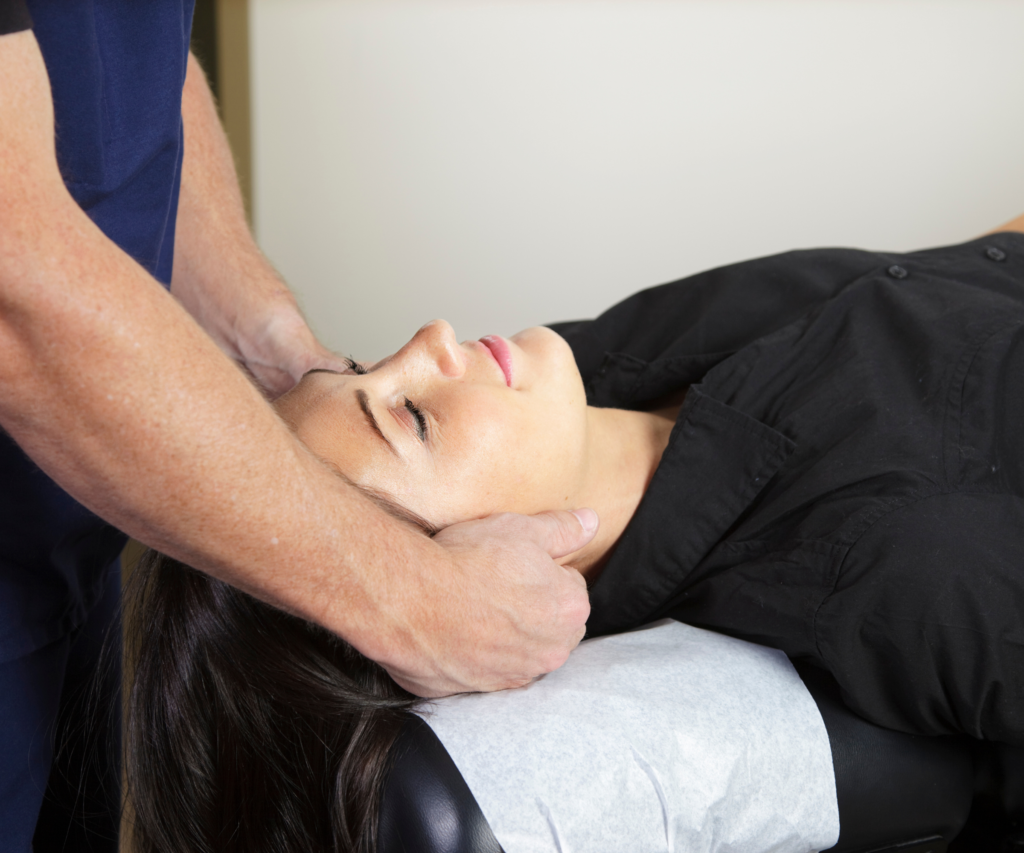
We look for the area that’s underperforming and restore its motion, so the overworked area can finally relax. Gentle, precise adjustments (spine and extremities) improve how joints move and how nerves communicate. We add soft-tissue work to calm tight muscles. We may use Applied Kinesiology (simple muscle tests) to see what’s weak, what’s tight, and what we should adjust first.
Bone Health Basics for Winter
Your bones are living tissue that constantly refreshes. In winter, many people get less sunlight and may run low on vitamin D, which your body uses to absorb calcium and support muscle function.
Food sources of calcium, vitamin D (or supplements if your provider says it’s right), and vitamin K2 (which helps send calcium into bone) all support stronger bones. Just as important: bones respond to gentle, regular activity. That can include brisk walks, stairs, or a simple strength work two or three days a week.
Daily Tips You Can Start Today
If you’re struggling with the cold weather, start your morning with a quick warm-up: slow breaths, easy spine rolls, a few hip hinges, ankle pumps, and a handful of gentle mini-squats to wake up your glutes.
Get warm first, then put on your outer layer so you keep the heat you just made. Choose shoes with traction. If you’re shoveling, push more than you lift, keep loads small, and avoid twisting throws, so let your hips, not your back, do the work.
Indoors, stand up every hour for a “movement snack.” Drink water even if you don’t feel thirsty and if you’re concerned about bone strength, ask your provider about vitamin D.
Staying Hydrated In The Winter
Cold air outside and dry heat inside pull moisture from your body, even when you don’t feel thirsty. Winter also triggers “cold diuresis,” which makes you pee a bit more. This leads to mild dehydration that can stiffen muscles, thicken synovial fluid, and make you feel tired or headachy.
Simple signs you need more fluids: darker urine, dry mouth, feeling foggy, or tight calves/feet by day’s end. Easy ways to stay hydrated:
- Sip warm drinks like water, herbal tea, or light broth
- Eat your water: oranges, berries, cucumbers, soups, and stews count
- Make it automatic with a bottle at your desk
- Watch the dehydrators like alcohol and salty snacks
- Humidify your space
- Pair fluids with minerals and add a pinch of sea salt or a squeeze of citrus, or choose a low-sugar electrolyte
Quick Definitions
- Compensation: when one body part overworks because another isn’t doing its job.
- Synovial fluid: the natural “oil” inside your joints that helps them glide.
- Vasoconstriction: blood vessels narrowing in the cold.
- Proprioception: your built-in balance and body-position sense.
- Osteopenia vs. Osteoporosis: osteopenia is early, milder bone loss; osteoporosis is more advanced bone loss with higher fracture risk.
Schedule Your Winter Check-Up
If winter mornings are rough or the same spot keeps flaring, we’ll help you find the root cause. Cold is part of the season. Pain doesn’t have to be. We’ll assess how you move, identify compensations, and build a simple plan that fits your life. Ready for a winter check-in?