When Symptoms Don’t Match the Labs: Whole-Body Problem-Solving


When you feel unwell and test results don’t explain it, the experience can feel overwhelming. People can get stuck in a loop of searching, second-guessing, and trying to hold it together while life keeps moving. It’s a hard situation to be in, and it can make self-advocacy feel out of reach.
“Normal” labs can still be useful. They help rule out certain concerns and narrow the focus. They also have limits. Some problems aren’t captured by certain tests. Some patterns change over time and don’t show up in a single snapshot. Some results fall in a wide reference range that doesn’t reflect what feels “normal” for you. When symptoms don’t match the tests, for us, a helpful next step is to zoom out and look at the body as a connected system.
When All Tests Are Showing As “Normal”
“Something is wrong but all tests are normal” can leave you without clarity. That can affect sleep, mood, motivation, relationships, and the sense of safety you feel in your own body. It can also push people toward trial-and-error: new supplements, new routines, new protocols, without a clear way to know what’s helping.
Symptoms that can be hard to capture on standard testing can include:
- low energy that doesn’t match your sleep
- brain fog, poor focus, or feeling mentally foggy
- digestive discomfort (bloating, irregularity, food reactions)
- recurring headaches, jaw tension, or neck/shoulder tightness
- dizziness, lightheadedness, or feeling “off balance”
- muscle or joint pain that doesn’t trace back to a clear injury
- sensitivities that feel overwhelming (seasonal, environmental, food-related)
- cycle-related shifts, hormone-related symptoms, or fertility stress
These symptom patterns can involve more than one body system, including nervous system regulation, immune signaling, digestion, and stress physiology.
Why “Normal” Tests Can Still Leave You Guessing
Normal results can be reassuring. They can also be incomplete, because medicine uses different tools for different kinds of problems.
- Some health concerns are evaluated clinically, not confirmed by one lab value. Long COVID is one example. The CDC notes there is no laboratory test that can determine whether symptoms are due to Long COVID, so clinicians use health history, a physical exam, and directed testing when appropriate.
- Some diagnoses are based on symptom patterns and criteria. IBS is commonly diagnosed using Rome criteria, with testing used to rule out other conditions when needed.
- Every test has performance limits. Sensitivity and specificity describe how well a test detects a condition and how well it rules one out. A normal result can happen even when symptoms are real, depending on what was tested and timing.
Whole-Body Problem-Solving
A whole-body approach is not a replacement for medical care. It’s another way to problem-solve when you want an organized view of patterns in the body. A whole-body assessment looks for themes that connect symptoms to function.
Movement and Posture Patterns
Sometimes the “problem” isn’t where the pain is, but where compensation started. Restricted motion in one area can create overload somewhere else, leading to recurring tightness, joint irritation, or nerve sensitivity.
This is because the body is built to move as a chain. When one area isn’t moving well, or isn’t as stable as it needs to be, another area may do extra work to keep you functioning. Over time, that extra work can show up as recurring discomfort or tension.
Muscle Tone and Neurological Response
Muscles are feedback tools. They reflect how the nervous system is adapting and responding to stress. Persistent tightness, guarding, or weakness patterns can be a clue that the system is working harder than it should.
In some cases, a muscle stays “on” as a protective strategy, helping the body feel stable, supported, or braced. This is compensation. Compensation can be useful in the short term, but frustrating when it becomes all the time.
Stress Load and Recovery Capacity
The body cycles between periods of output and recovery. When recovery is incomplete, like from exercise or illness, people may notice that sleep feels less refreshing and energy drains quickly, even when they are eating healthily and prioritizing sleep.
Adding Specificity to Whole-Body Care
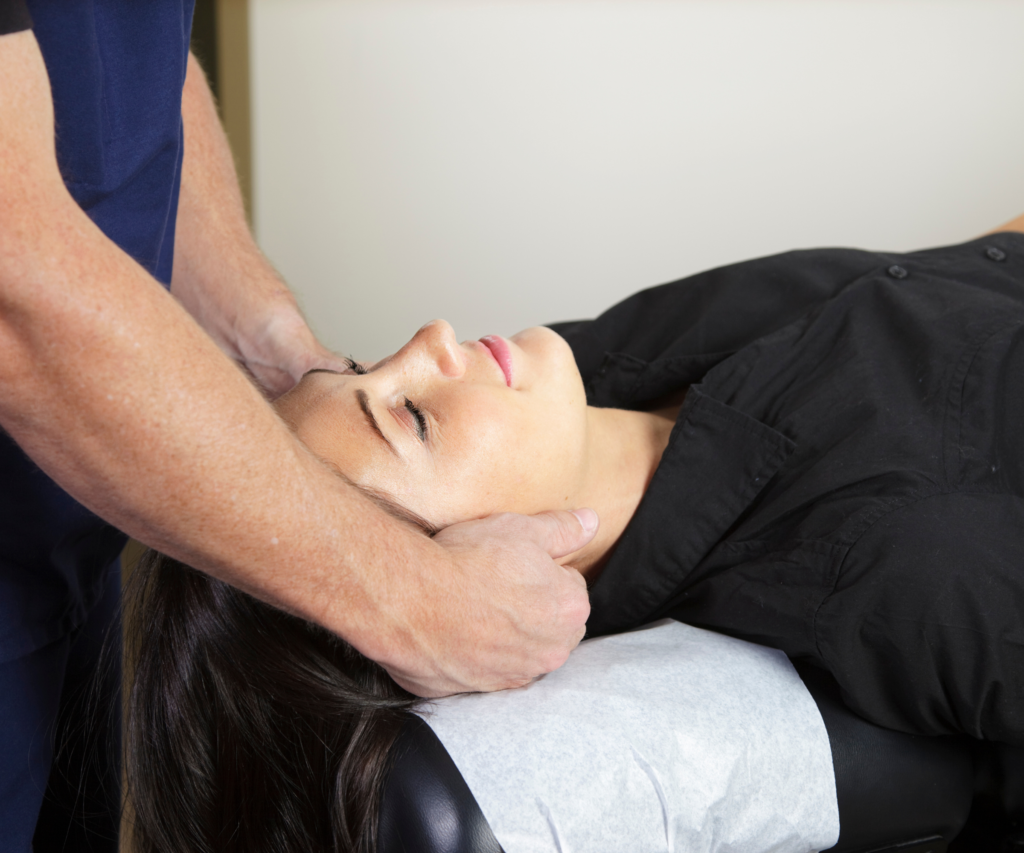
Applied Kinesiology (AK) is one of the ways we add specificity to whole-body care. AK uses gentle muscle testing to help identify functional stress patterns, including areas of structural strain, neurological imbalance, and potential nutritional or physiological support needs.
This is helpful when someone feels stuck in a loop of:
- trying random supplements
- bouncing between specialists
- getting temporary symptom relief without lasting change
AK helps reduce guesswork by guiding care toward what the body is responding to.
A Supportive Way Forward
If your symptoms feel bigger than your test results, you deserve to be taken seriously and supported with a plan that respects your experience and appropriate scope of care.