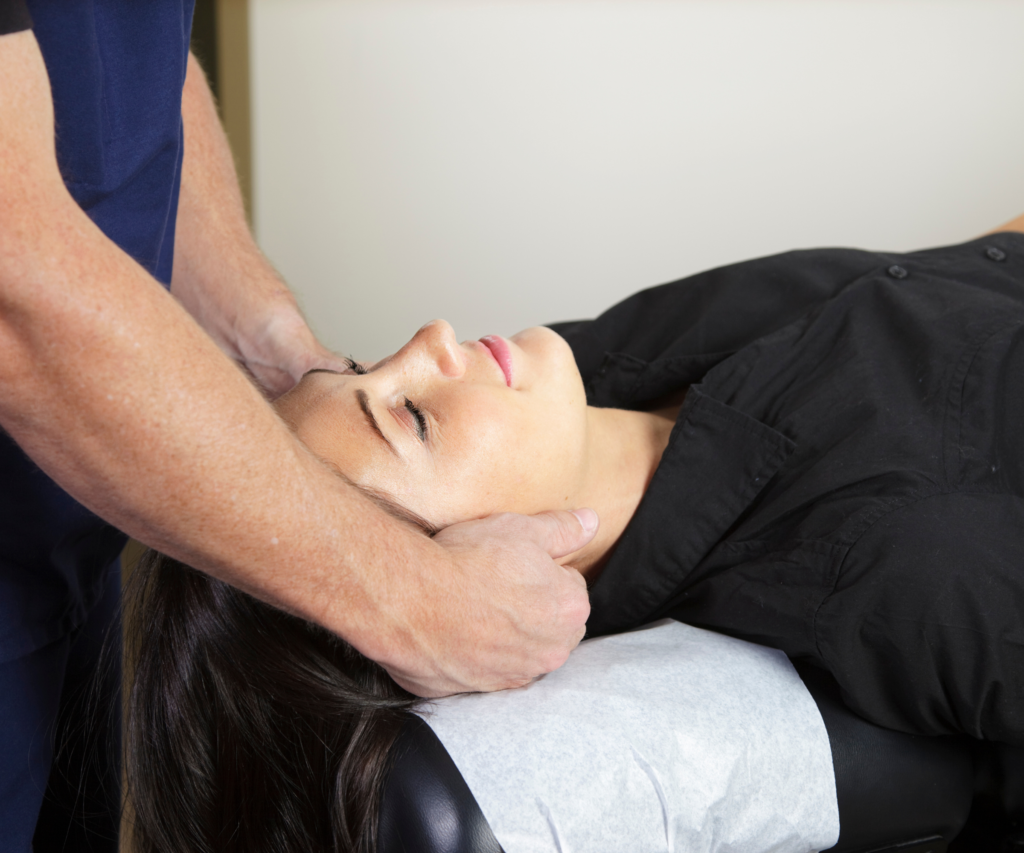
Headaches and Migraines: Causes, Symptoms, and How Chiropractic Care May Help


Headaches and migraines can make even the simplest tasks feel overwhelming. While occasional head pain is common, frequent or severe headaches may be a sign that something deeper is going on within the body. This is especially true for individuals who are experiencing neck tension, poor posture, stress, or limited spinal movement.
Chiropractic care may help some people manage headache-related discomfort by addressing tension, improving joint mobility, and supporting healthier posture and daily habits. For migraines, chiropractic care is not a “cure,” but it may be part of a broader care plan focused on reducing physical stressors that can contribute to hard-to-manage symptoms.
Headaches vs. Migraines: What’s the Difference?
A headache is pain or pressure felt in the head, scalp, face, or neck. There are several types of headaches, with tension-type headaches being among the most common. These can feel like a tight band around the head and may be linked to stress, muscle tension, posture, or prolonged screen use.
A migraine is a neurological condition that can cause moderate to severe head pain, typically along with symptoms like nausea, light sensitivity, sound sensitivity, and changes in visuals. Migraine attacks may last for hours or even days and can occur in several phases.
Common Causes of Headaches
Headaches can have several possible causes. Some are related to lifestyle habits, while others may be connected to muscle tension, joint irritation, or underlying health concerns. Common headache triggers may include:
- Stress and anxiety
- Poor posture
- Neck and shoulder tension
- Dehydration
- Lack of sleep
- Eye strain or prolonged screen use
- Jaw tension or teeth grinding
- Skipping meals
- Sinus pressure
- Hormonal changes
- Certain foods or beverages
From a chiropractic perspective, headaches are evaluated in connection with the neck, upper back, shoulders, and posture. When muscles are tight or spinal joints are not moving well, irritation in these areas may contribute to head and neck discomfort.
What Causes Migraines?
Migraines are more than just “bad headaches.” They involve changes in the nervous system and may be influenced by genetics, environment, lifestyle, hormones, and individual triggers. Common migraine triggers may include:
- Stress
- Sleep changes
- Hormonal changes
- Caffeine or alcohol
- Weather changes
- Dehydration
- Certain foods
- Bright lights
- Strong smells
- Skipped meals
The American Migraine Foundation notes that triggers can vary widely from person to person, which is why tracking symptoms and patterns can be helpful for each individual.
Migraine Symptoms Are More Than Head Pain
Migraine symptoms may occur before, during, or after the headache phase. Not everyone experiences every phase, and symptoms can vary from one attack to another. Common migraine symptoms include:
- Throbbing or pulsing head pain
- Pain on one side of the head
- Nausea or vomiting
- Sensitivity to light
- Sensitivity to sound
- Sensitivity to smells
- Dizziness
- Fatigue
- Brain fog
- Neck stiffness
- Worsening pain with movement
A migraine headache may last from 4 to 72 hours, with full attacks sometimes lasting days.
Migraine Aura Symptoms
Some people experience migraine aura before or during a migraine attack. Aura symptoms are temporary neurological symptoms that can affect vision, although they can also involve sensation, speech, or movement. Visual aura symptoms may include:
- Halos
- Flashing lights
- Shimmering spots
- Zigzag lines
- Blind spots
- Blurred vision
- Temporary vision changes
Aura can also include tingling on one side of the body or trouble speaking clearly. These symptoms can develop gradually and may last from 5 to 60 minutes.
Why Migraine Awareness Matters for Women’s Health
Migraines can affect anyone, but research shows that women experience migraines more often than men. The American Migraine Prevalence and Prevention study reported that lifetime migraine affects about 43% of women and 18% of men. More recent research also suggests that women may be more than three times as likely to experience migraines as men.
This information can be empowering. It can help patients notice patterns that may be connected to hormonal changes, stress, sleep, posture, or other daily triggers, and with the right care plan, many people are able to better understand their migraines and take meaningful steps toward managing them. Chiropractic care may be one part of that plan.
How Chiropractic Care May Help with Headaches and Migraines
Chiropractic care focuses on the relationship between the spine, nervous system, muscles, and movement. For people whose headaches are linked to neck tension, posture, joint restriction, or muscle tightness, chiropractic care may help reduce physical stress in the body. A chiropractor may use:
- Spinal adjustments
- Neck and upper back mobility work
- Soft tissue therapy
- Posture correction
- Stretching and strengthening recommendations
- Ergonomic guidance
- Stress and lifestyle education
- At-home exercises
For tension-related headaches, care may focus on relieving tightness in the neck and shoulders, improving spinal mobility, and reducing strain from posture or repetitive daily habits.
For migraines, chiropractic care may be used as a supportive approach. While migraines are neurological and often require a broader medical plan, addressing neck tension, posture, sleep habits, hydration, and stress may help some patients better manage their triggers and overall discomfort.
Finding Relief from Headaches and Migraines
If headaches or migraines are interfering with your daily life, a chiropractic evaluation can help determine what may be contributing to your symptoms, and what steps may help you feel and function better. We’re here when you’re ready to take the next step.