5 Benefits of Applied Kinesiology for Whole-Body Wellness


When something feels “off” or hurts in your body, the problem is not always where the pain shows up. For instance, a stiff neck may be connected to stress. A sore back may be connected to weak core support. Fatigue may be connected to mineral imbalance or nervous system overload. When the true source of discomfort is not obvious, it can be frustrating to keep treating the same symptom without understanding why it keeps coming back. This is where Applied Kinesiology, often called AK, can be helpful for patients.
What is Applied Kinesiology?
Applied Kinesiology is a whole-body assessment approach that looks at structural, chemical, and emotional stress patterns in the body. It often uses manual muscle testing along with other forms of evaluation to help guide care and wellness. This works to identify what may be interfering with the body’s ability to move, recover, regulate stress, and function well.
How does Applied Kinesiology differ from other wellness practices?
Unlike many approaches that focus mainly on symptoms, Applied Kinesiology looks for patterns in the body that may help explain why those symptoms are happening in the first place.
It looks at how the body’s systems are working together, versus just treating the symptoms at hand by using muscle testing, posture observation, movement checks, and whole-body assessment to better understand what may be stressing the body. This helps us answer questions like:
- Why does this pain keep coming back?
- Why does one side feel weaker than the other?
- Why do I feel tight even after stretching?
- Why am I tired, sore, or uncomfortable even when my labs look normal?
Quick Definitions
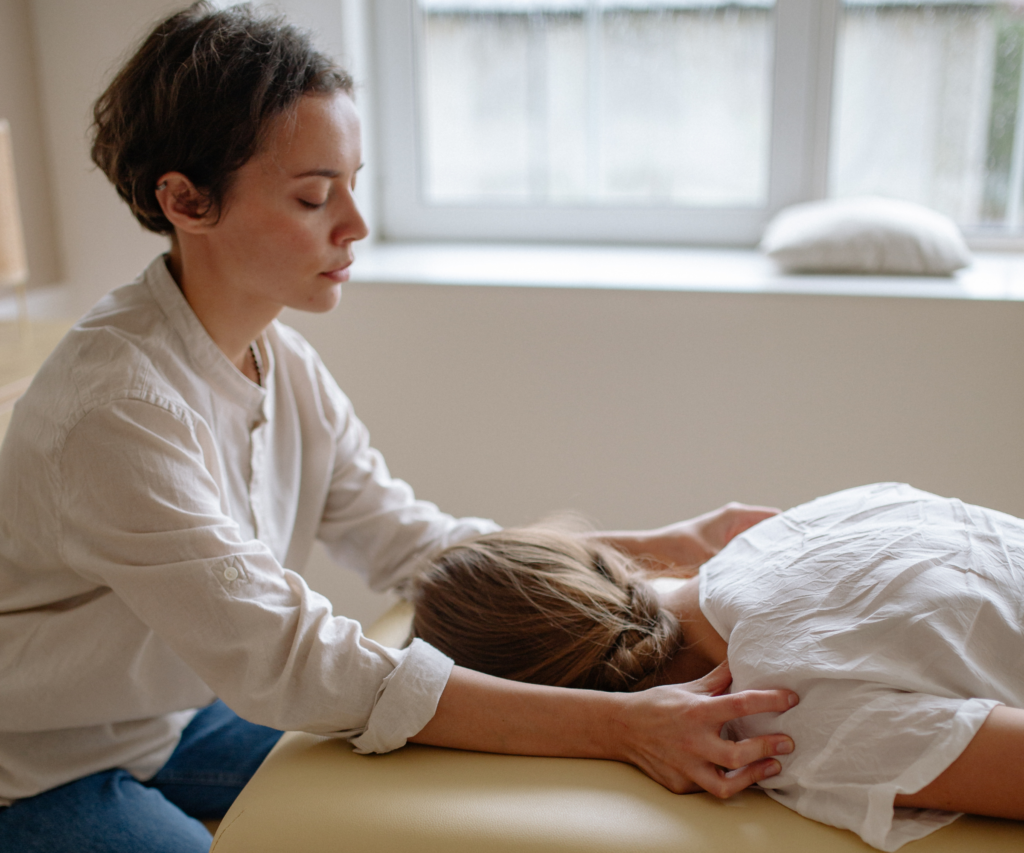
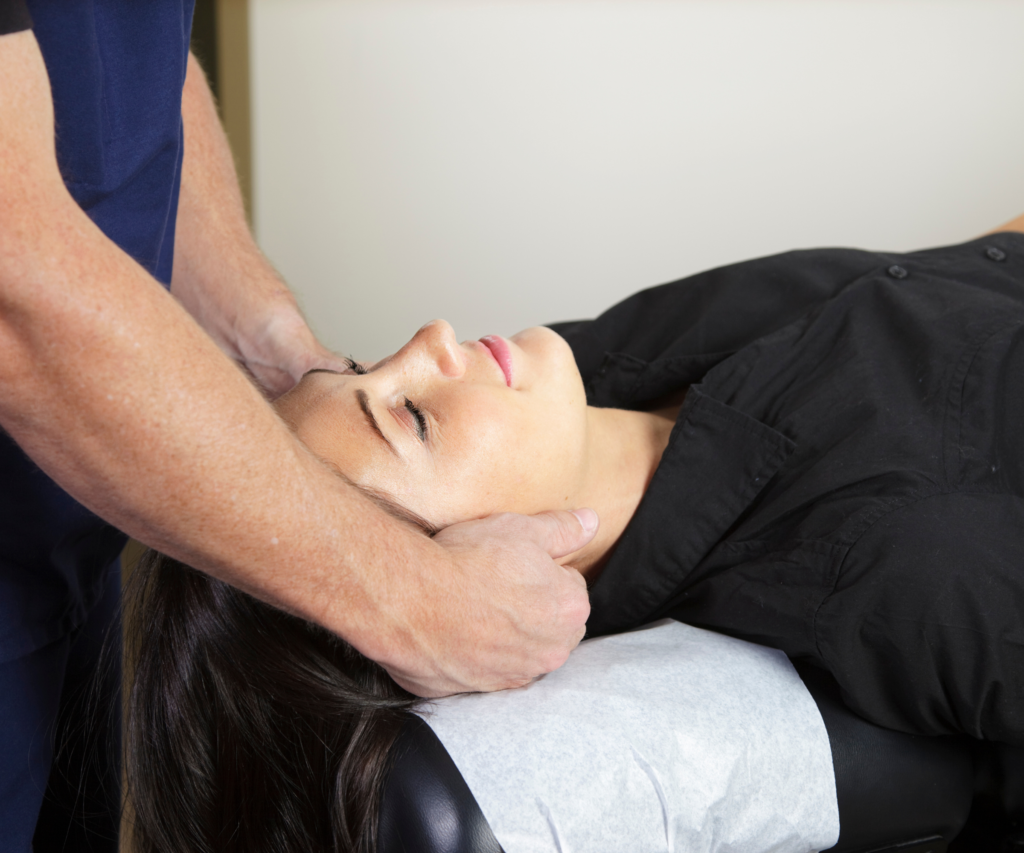
Manual Muscle Testing: Manual muscle testing is a hands-on assessment where a patient resists gentle pressure while the provider evaluates how a muscle responds. In AK, this may help reveal patterns of weakness, compensation, or stress.
Structural Stress: Structural stress refers to physical strain in the body. This may include poor posture, joint restriction, muscle imbalance, old injuries, repetitive movements, or the way the body compensates after pain.
Chemical Stress: Chemical stress refers to internal stressors that may affect how the body feels and functions. This may include hydration, nutrition, inflammation, food sensitivities, mineral balance, poor sleep, or environmental triggers.
Emotional Stress: Emotional stress can affect the body physically. Stress can influence breathing, posture, digestion, muscle tension, sleep quality, and recovery.
Compensation Pattern: A compensation pattern happens when one part of the body works harder because another area is not doing its job well. Over time, this can lead to pain, tightness, fatigue, or recurring symptoms.
5 Ways Applied Kinesiology Supports Whole-Body Wellness
Here are five ways Applied Kinesiology may support whole-body wellness and help guide more personalized care.
- AK Helps Identify Muscle Imbalances
Muscles are not just for movement. They also help protect joints, support posture, stabilize the spine, and communicate with the nervous system.
When one muscle is not responding well, another area may overwork to compensate. This can create pain, tightness, fatigue, or recurring discomfort.
For example:
- Tight shoulders may be linked to weak upper-back support
- Low back pain may be connected to poor core activation
- Knee discomfort may begin with hip or foot imbalance
- Neck tension may be related to jaw, rib, or breathing patterns
- Hip tightness may be connected to the low back or pelvis
With Applied Kinesiology, the goal is not just to ask, “Where does it hurt?”
The better question is: What is making this area work harder than it should?
For example, a person may keep stretching their neck because it feels tight. But if the neck is overworking because the upper back is stiff, the shoulders are unstable, or the breathing pattern is shallow, stretching alone may not create lasting relief. AK helps look for those deeper patterns.
- AK Looks at the Nervous System
The nervous system controls communication between the brain and body. It helps coordinate movement, balance, posture, digestion, breathing, sleep, and pain response.
When the nervous system is overloaded, the body may stay in a pattern of tension, guarding, shallow breathing, poor sleep, or slow healing.
This is one reason many people feel pain more intensely during stressful seasons.
You may notice this as:
- More neck and shoulder tension
- Headaches after a stressful week
- Jaw clenching
- Poor sleep
- Digestive discomfort
- Low energy
- Muscle tightness that keeps returning
- Feeling like your body cannot fully relax
AK-based care may look at how the body responds to stress through muscle testing, posture, breathing, movement, and balance. The goal is to help the body move out of constant “survival mode” and into a better state of regulation. Then the body may have an easier time relaxing, moving, healing, and recovering.
- AK Connects Posture, Fascia, and Movement
Your body does not move in separate pieces.
Your neck affects your shoulders.
Your hips affect your low back.
Your feet affect your knees.
Your breathing affects your ribs, spine, and posture.
One reason for this is fascia.
What Is Fascia?
Fascia is connective tissue that surrounds and supports muscles, joints, nerves, organs, and other structures throughout the body.
When fascia becomes tight, restricted, or irritated, it may limit movement and contribute to discomfort. This is why pain may show up in one area even though the stress pattern began somewhere else.
Applied Kinesiology can help identify where the body is compensating so care can be more specific, and instead of only working on the painful area, AK may help guide care toward the area that is creating the stress pattern.
This can be especially helpful for people who say:
“I’ve tried stretching, but it keeps coming back.”
“I get adjusted, but the relief does not last.”
“My pain moves around.”
“One side of my body always feels weaker or tighter.”
“I feel like the pain is connected, but I don’t know how.”
- AK May Help Reveal Recovery Stress
Your body needs the right balance of movement, nutrition, hydration, minerals, sleep, and nervous system support to recover and sometimes, the body hurts because it isn’t recovering well. Recovery stress can come from:
- Poor sleep
- Low hydration
- Mineral imbalance
- Too much screen time
- Too little movement
- Chronic inflammation
- Digestive strain
- Emotional stress
- Overtraining
- Sitting for long periods
- Not enough protein or nutrient support
- Shallow breathing
This is where AK fits well with whole-body chiropractic care. If a muscle repeatedly tests weak or a pattern keeps returning, the question we ask is: Is the body missing something it needs to recover?
For example, a patient may have recurring muscle tightness because their body is under stress, not because the muscle simply needs to be stretched again. Another patient may feel sore because their body is not recovering well from daily activity, inflammation, or poor sleep.
Applied Kinesiology helps point the provider toward the next area to assess.
- AK Helps Create a More Personalized Care Plan
Two people can have the same symptom but need very different support. For example, two patients may both have headaches.
One may need neck and jaw support.
One may need posture and breathing work.
One may need stress regulation.
One may need shoulder and upper-back strengthening.
One may need hydration and mineral support.
Applied Kinesiology helps guide the “why” behind the symptom. It gives the provider more information about how the body is responding in real time.
This may help shape a care plan that includes:
- Gentle chiropractic care
- Muscle balancing techniques
- Soft tissue work
- Posture support
- Breathing exercises
- Nutritional guidance
- Hydration and mineral support
- At-home movement recommendations
- Stress reduction strategies
- Core, hip, or shoulder stability work
The goal is not a quick crack or pop. The goal is to understand what your body is trying to communicate and when care is more specific, the body has a better chance to respond in a lasting way.
Why This Matters for Overall Health
Your body is always adapting.
It adapts to stress.
It adapts to posture.
It adapts to old injuries.
It adapts to sleep loss.
It adapts to inflammation.
It adapts to how you move every day.
It adapts to what you eat, how you breathe, and how well you recover.
Sometimes those adaptations are helpful. Other times, they become patterns that keep the body stuck in a painful or uncomfortable cycle. That’s why a whole-body approach can be valuable.
Applied Kinesiology gives your provider another way to look at these patterns. It helps connect the dots between muscles, posture, movement, stress, digestion, energy, and recovery.
When the right systems receive the right support, many patients notice improvements in comfort, mobility, energy, posture, and resilience.
What Makes This Different From Traditional Chiropractic Care?
Many people think chiropractic care is only about the spine. At Sentinel Health & Wellness, the focus is broader. The spine matters, but it is only one part of the picture. Your muscles, nervous system, digestion, breathing, sleep, stress response, and daily habits all influence how you feel.
Applied Kinesiology helps expand the conversation from:
“Where is the pain?”
to:
“Why is the body creating this pattern?”
That’s an important difference.
Because when you understand the pattern, you can support the system behind it.
Quick Takeaway
Applied Kinesiology is a whole-body approach that uses muscle testing and functional assessment to better understand stress patterns in the body.
It may help identify why pain keeps coming back, why certain muscles feel weak or tight, and what kind of support the body may need next.
Applied Kinesiology & Muscle Testing
If you’re dealing with recurring pain, muscle tension, fatigue, or symptoms that don’t seem to have a clear cause, schedule a visit with our practitioners at Sentinel Health & Wellness today to learn how whole-body chiropractic care can support better movement, recovery, and overall wellness for you. Applied Kinesiology may help uncover what your body needs next.