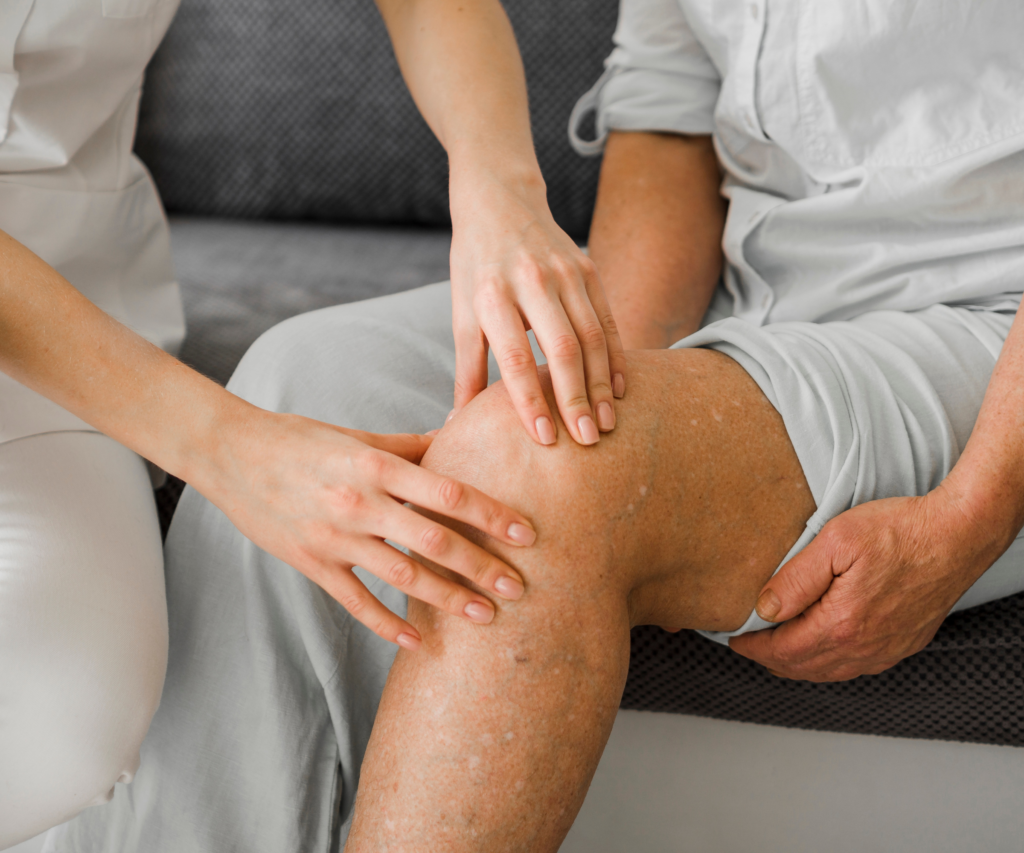
Natural Relief for Sciatica Before Summer Activities Begin


There is nothing quite like the anticipation of summer, but sciatica can turn everyday activities into painful experiences. Between walking on the beach, taking road trips, or spending time outside, sciatic pain can make you feel limited and unable to enjoy the things you love.
Because sciatica is typically connected to spinal alignment and nerve compression, chiropractic care offers a natural approach to relief—focused on reducing irritation, improving movement, and helping patients feel their best naturally.
If you’re worrying about how your body will hold up during upcoming summer travel or backyard get-togethers, chiropractic care focuses on improving spinal function and relieving pressure on the nerves, helping many patients manage sciatica symptoms without surgery or medication.
What is Sciatica?
Sciatica is pain felt in the lower back, glute area, and legs due to irritation or compression of the sciatic nerve. It is incredibly common, with estimates showing that up to 40% of people will experience sciatica at some point in their lives. It most commonly develops in adults between their 30s and 50s, and can range from mild discomfort to severe, debilitating symptoms.
What Causes Sciatic Nerve Discomfort?
Sciatica is caused by compression or irritation of the sciatic nerve. This means sciatica itself is not a standalone condition, but rather a symptom of an underlying issue affecting the spine or surrounding tissues.
Common causes of sciatica include:
- Herniated or bulging discs
- Bone spurs
- Spinal misalignment
- Degenerative disc disease
- Muscle inflammation or tightness
- Spinal stenosis
When the sciatic nerve becomes compressed, it can create pain, tingling, numbness, or weakness that radiates from the lower back, through the buttocks, and down the legs. These symptoms can vary significantly depending on the severity and location of the nerve irritation.
What is the Sciatic Nerve?
The sciatic nerve is the largest nerve in the body. There is one sciatic nerve on each side of the body, beginning in the lower spine and extending through the hips, buttocks, and down each leg. The sciatic nerve affects both movement and sensation throughout the lower body.
Its primary functions include:
- Helping the muscles in the legs and feet move
- Allowing sensation such as touch, pain, and temperature in the legs and feet
Because the nerve travels such a long distance throughout the body, irritation anywhere along its pathway can create widespread discomfort and mobility issues.
Symptoms of Sciatica
Sciatica symptoms can range from mild to severe and may affect one or both sides of the body.
Common symptoms of sciatica include:
- Pain running through one side of the body
- Sharp sensations that worsen with sitting or standing for long periods
- Sharp sensations upon coughing or sneezing
- Numbness or tingling in the legs and feet
- Shooting pain that radiates from the lower back
- Burning or electric-like pain in the leg
- Weakness in the affected leg
More serious symptoms can include loss of bladder or bowel control and significant muscle weakness, which may require immediate medical attention.
What Are Sciatica Flare-Ups?
Sciatica flare-ups are periods when sciatic nerve symptoms suddenly worsen or become more noticeable. These flare-ups can range from mild discomfort to intense pain that interferes with daily activities and movement.
Flare-ups can be triggered by activities or conditions that place additional stress on the lower back and sciatic nerve, including:
- Prolonged sitting or standing
- Heavy lifting
- Poor posture
- Sudden twisting movements
- Long car rides or travel
- Overuse during exercise or physical activity
- Pregnancy-related pressure on the spine
During a flare-up, individuals may experience increased lower back pain, sharp shooting pain down the leg, tingling, numbness, or muscle weakness. Symptoms may last for a few hours, several days, or longer depending on the underlying cause.
Sciatica Pain During Pregnancy
Sciatica can also occur during pregnancy as the body changes and places additional pressure on the lower back, hips, and pelvis. As the baby grows, shifting posture, added weight, and increased stress on the spine can irritate the sciatic nerve, leading to pain that travels from the lower back into the buttocks and legs.
Common pregnancy-related sciatica symptoms may include lower back pain, hip discomfort, tingling in the legs or feet, and shooting pain down one side of the body. Gentle stretching, proper posture, supportive pillows, and low-impact movement may help reduce discomfort.
Chiropractic care during pregnancy may help support spinal alignment, reduce pressure on the lower back, and improve comfort using gentle techniques tailored for pregnancy.
How To Treat Sciatica Symptoms
Managing sciatica typically involves reducing inflammation, improving spinal function, and relieving pressure on the sciatic nerve. Some helpful tips to relieve sciatica symptoms include:
- Maintaining good posture while sitting, standing, and lifting to reduce stress on the spine and surrounding nerves.
- Staying active with gentle movement to improve circulation, mobility, and muscle support around the spine.
- Choosing low-impact activities like walking, swimming, yoga, and stretching to support spinal health without placing excessive strain on the lower back.
- Using cold and heat therapy to help reduce inflammation and relax tight muscles surrounding the sciatic nerve.
How We Relieve Sciatica Pain with Chiropractic Care
Because the sciatic nerve runs from the lower spine through the hips and legs, spinal health can affect sciatic nerve irritation. Misalignments within the spine, restricted joints, or disc problems can place pressure on the nerve and contribute to pain and inflammation.
Chiropractic care focuses on improving spinal alignment and reducing that pressure on affected nerves through gentle, targeted adjustments.
Research has shown that chiropractic spinal manipulation may help:
- Improve spinal motion
- Reduce nerve irritation
- Decrease inflammation
- Relieve muscle tension
- Improve mobility and flexibility
- Support the body’s natural healing process
Because sciatic nerve irritation can also be influenced by muscle imbalances and movement dysfunction, our chiropractors incorporate techniques like Applied Kinesiology as part of a personalized treatment approach. You can read more about this approach here: Sciatica Relief with Applied Kinesiology in Chiropractic Care.
Find Relief From Sciatica Pain Today
Sciatica can make everyday movement difficult, especially during the active summer months.
If sciatic nerve discomfort is limiting your ability to walk, travel, exercise, or enjoy daily activities, a chiropractic evaluation can help determine what may be contributing to your symptoms. Chiropractic care may help reduce pain, improve mobility, and support your recovery naturally.
We’re here when you’re ready to take the next step.
Book with Dr. Gillian in Georgia ›
Book with Dr. Phil in New Jersey ›
Disclaimer: This blog is for informational purposes and is not intended as medical advice, diagnosis, or treatment. Always consult a qualified healthcare provider about your specific symptoms or medical condition.